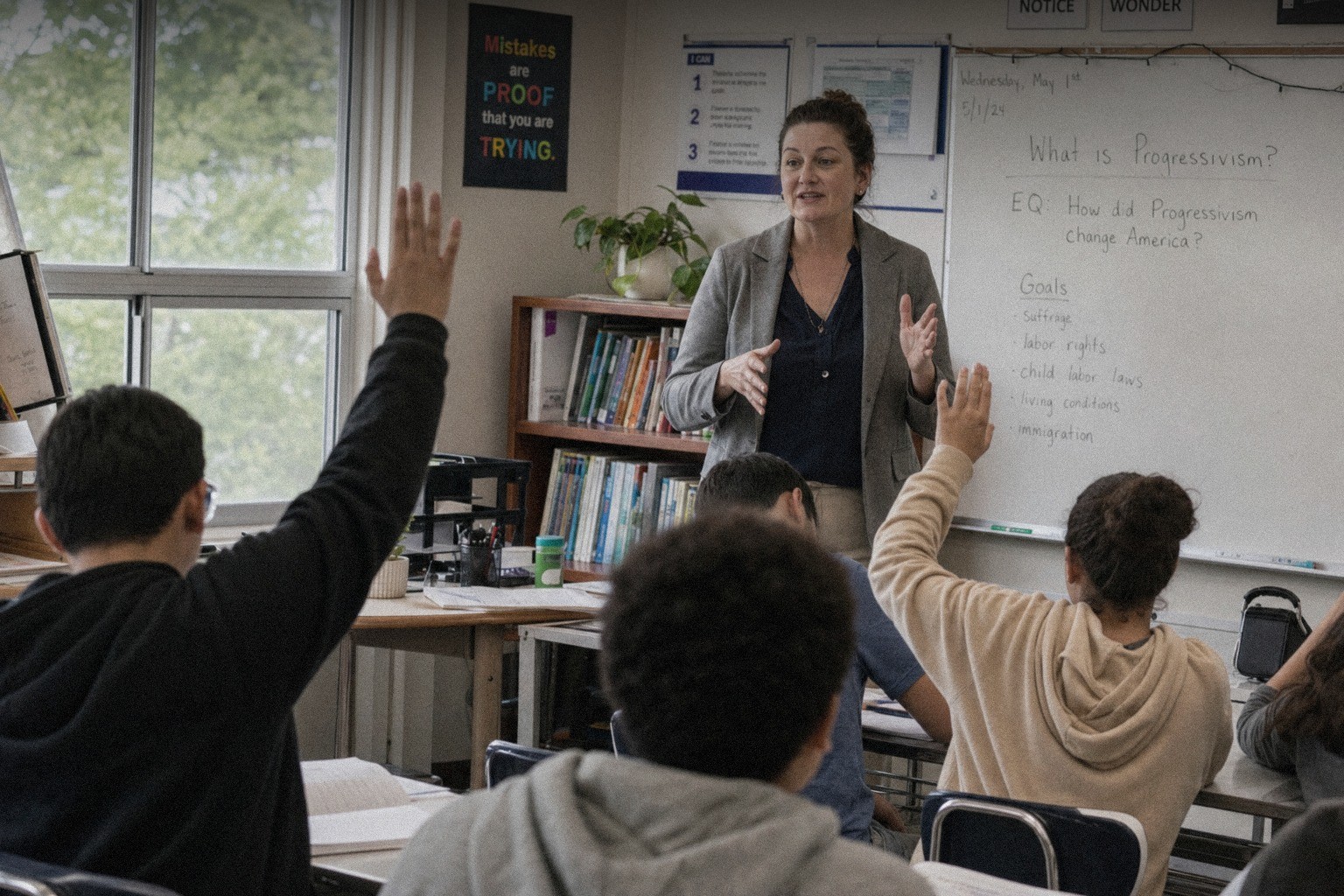
Every teacher now has a personal mentor — and the school finally sees every lesson.
Case study: Lansy reviews every lesson automatically, turning it into a personal breakdown for the teacher and a complete picture of classroom quality for the academic team — without adding to anyone’s workload.
Book a 30-minute call with us12 min
average time to review one lesson — down from 2–3 hours
100%
of lessons reviewed, instead of a coordinator’s 5 a week
85–90%
analytics accuracy, confirmed across a 10-lesson series
4
connected profiles in one system: teacher, student, class, school
Full-day, K-12
Small classes with a dedicated curator for every grade, running from early morning through early evening.
A campus built for it
A gym, an auditorium, a recording studio, and fully equipped science labs, all under one roof.
Communication & Leadership
A dedicated in-house program for building students’ soft skills and emotional intelligence.
A full-day private school where the teacher matters more than the platform — which is exactly why it needed an AI academic coordinator.
The school is a full-day private K-12 institution with small classes, a dedicated curator for every grade, in-house psychological and speech-therapy support, career guidance, and a strong focus on soft skills. It’s the kind of school where a child stays a child, and the teacher’s job is to help them open up.
When a school is built on the individual strengths of every teacher, a single academic coordinator hits a ceiling fast — there’s no way to manually support everyone. That’s the gap Lansy was brought in to close.
It was our dream — a school where every child has an invisible assistant that grows with them. Lansy turned that dream into a tool we open every morning.
Academic leadership team
The Challenge
Standards and training already existed — the school just couldn’t watch every lesson closely enough to use them.

5 lessons a week
Manual review by a single academic coordinator could only sample a handful of lessons out of hundreds taught — most of the school’s teaching was never reviewed at all.

No off-the-shelf fit
Generic classroom-monitoring tools didn’t match the school’s own teaching philosophy, and building something in-house wasn’t realistic.
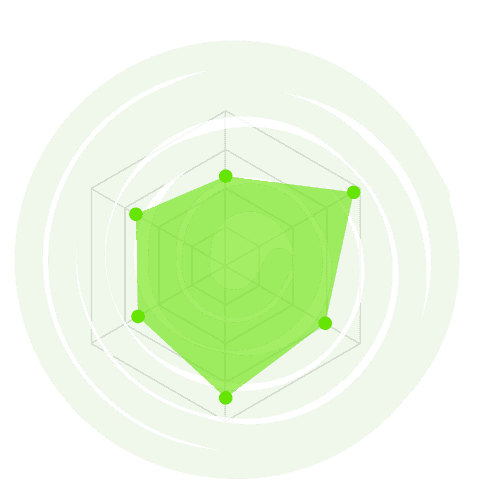

Grades, not conversations
The school’s systems showed grades and attendance — not what a teacher actually said in the room, or how a lesson really went.
↑ 40× lesson coverage with Lansy
Lansy listens to every lesson and turns it into a personal review — with quotes, patterns, and concrete tools for the next class. Teachers get a private, personal breakdown; the academic coordinator gets systemic conclusions across every class; and the principal gets a school-wide view — all from the same lesson data.
Lesson report / Algebra, Grade 8
Report
Algebra
Grade 8Week of 6–10 April 2026
Week of 6–10 April 2026
An expert on subject matter with a strong ability to translate complex scientific ideas into something a young student can grasp. Lessons are dense, logically structured, and visually rich. The main growth vector: moving from authoritative discipline management toward positive-reinforcement techniques.
Lesson recording
Opening the lesson
“Alright, good morning everyone. Let’s begin today’s lesson — and, well, the whole last week of the school year.”
Goal-setting
“Today’s plan… part of the lesson is still devoted to reviewing systems of linear equations.”
Timing
“I’m timing it — up to 10 minutes. So we have 15 minutes.”
Activating prior knowledge
“What is the addition method? The addition method is when…”
Lesson structure
14/18

Uses Socratic questions that draw the answer out of the student instead of stating it.
Household-scale analogies bring complex topics straight into a child’s own experience.

A clear lesson structure — goal, review, practice, reflection — inside 40 minutes.
Treats mistakes as material for discussion — psychological safety scores 4 out of 5.
We rolled Lansy out gradually —
volunteers first, then the whole school
A leader group.
5–7 teachers who were genuinely curious about the technology got a dedicated support channel and a direct line to shape how Lansy reads a lesson.
Demos for colleagues.
The leader group showed the rest of the staff what they’d found — not a top-down mandate, but 'look what I found in my own lesson.
Access for everyone.
Every teacher can now see their own reviews, comment on scores, and push back on the system.