Comparison
A mystery shopper reports one visit. A shift holds 300.
Both methods answer the same question: what happens between a customer and the person serving them. They differ in how much of it they see, and in what a manager can decide afterwards.
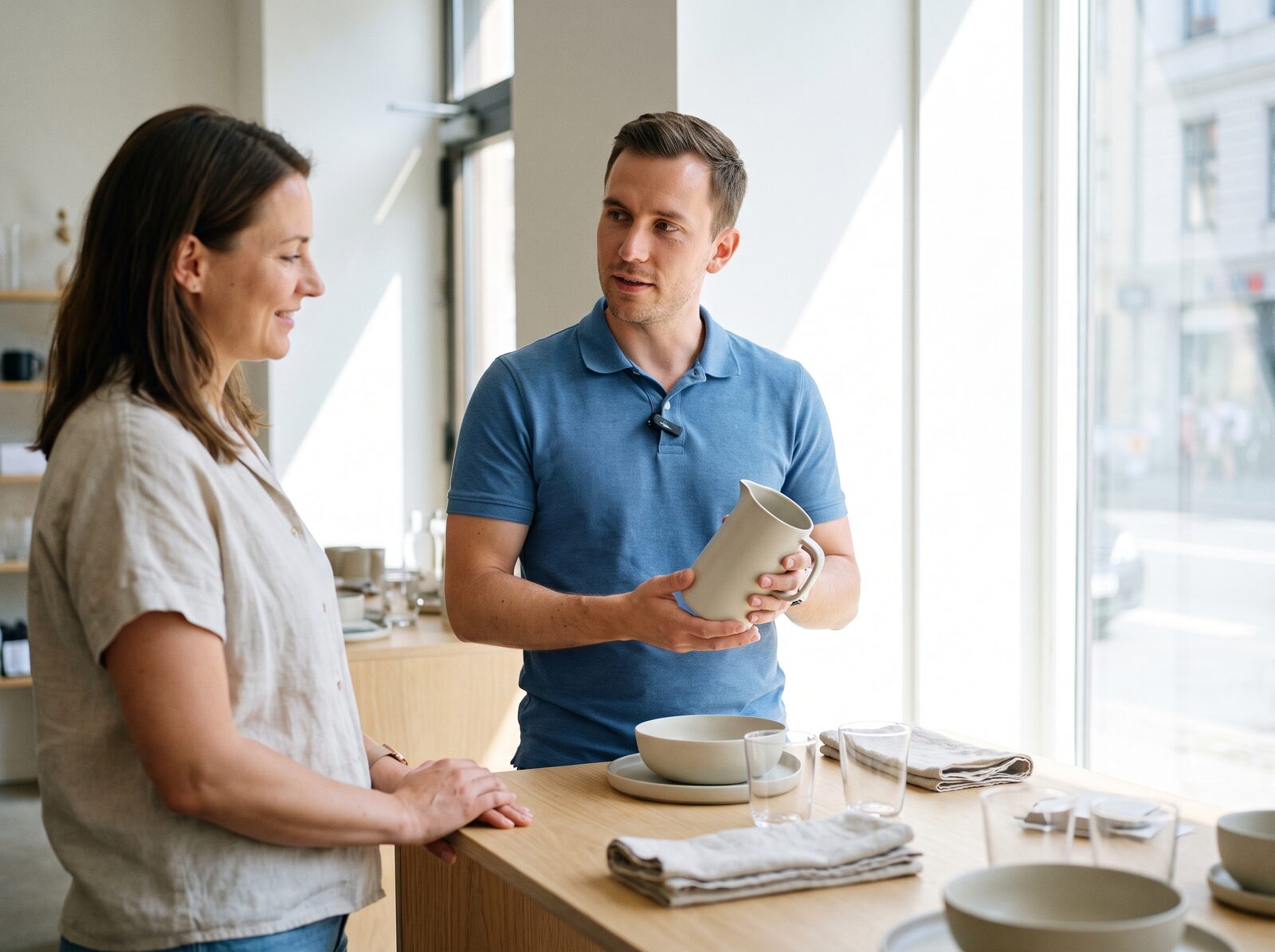
Every conversation reviewed
Feedback to the employee in ≈1 min
Coverage
The sample was never a design choice
A mystery shopper visits once a month. A supervisor stands on the floor for an hour. A quality manager listens to 10 calls out of 4,000. Every traditional check relies on a sample, because checking used to mean a person listening in real time. That constraint is gone.
One shift, 300 conversations
1 visit
what a mystery shopper report covers
100%
of conversations reviewed by Lansy AI
≈1 min
from conversation to employee feedback
Side by side
What changes when nothing is sampled
A mystery shopper
Lansy AI
Coverage
A mystery shopper
One staged visit per period
Lansy AI
Every conversation, every shift
Who gets measured
A mystery shopper
The store, on the day of the visit
Lansy AI
Each employee, every day they work
What the score rests on
A mystery shopper
A checklist filled in from memory
Lansy AI
The line of dialogue the score came from
Time to feedback
A mystery shopper
Days or weeks, inside a report
Lansy AI
About a minute, to the employee
Who reads it first
A mystery shopper
The manager
Lansy AI
The person who had the conversation
Cost per check
A mystery shopper
Paid per visit, so wider coverage costs more
Lansy AI
Fixed, regardless of how many conversations there are
Repeatability
A mystery shopper
A new scenario and a new shopper each time
Lansy AI
One standard applied to every shift the same way
What each method sees
A sample is good at one thing
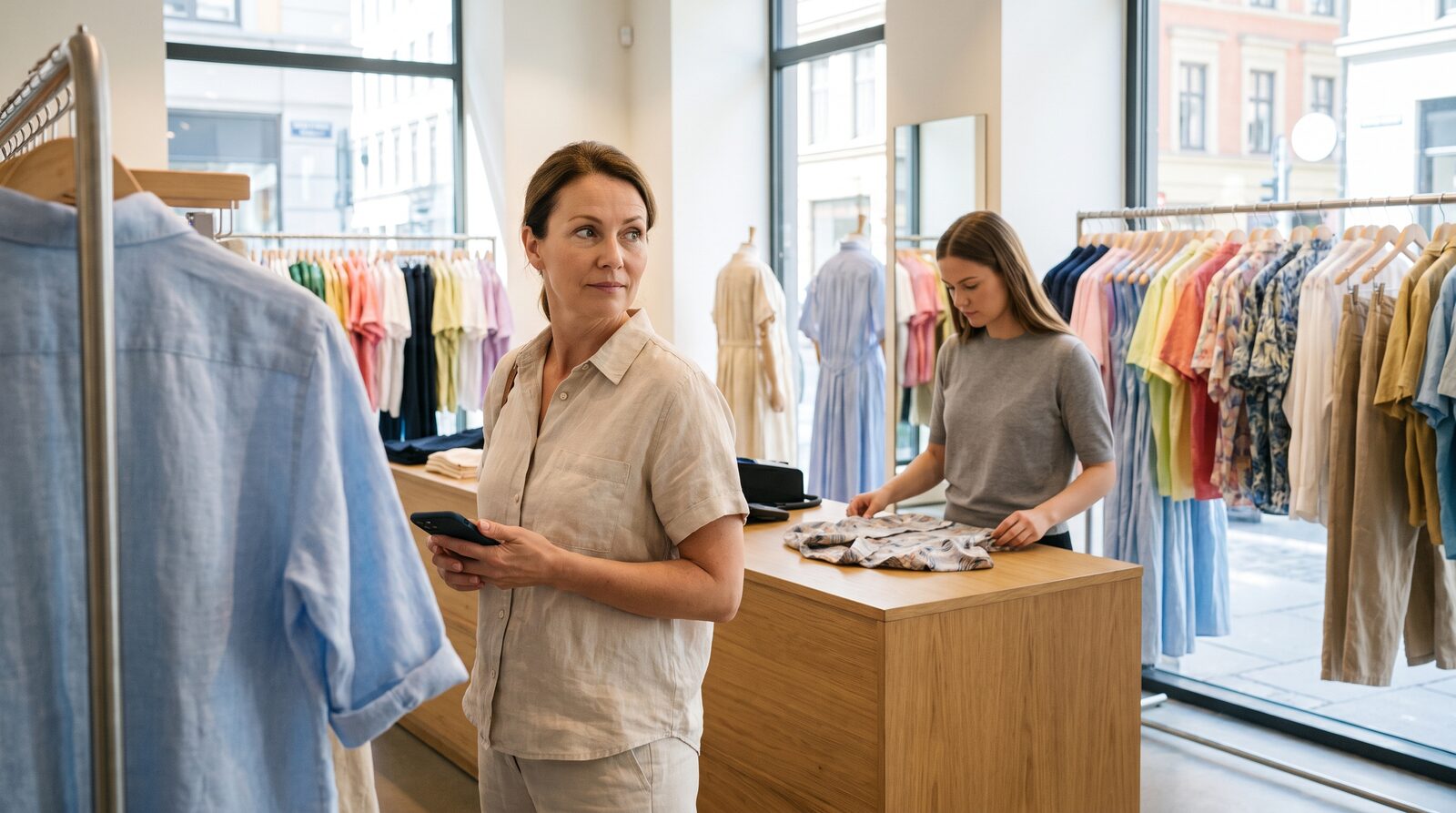
A mystery shopper shows
- Whether a standard exists at all. If the shopper was greeted properly, someone knows the greeting.
- How one employee handled one scripted scenario on one day.
- A score, with nothing underneath it that the employee can read or argue with.

Lansy AI shows
- Which phrases move a conversation forward and which end it, across every shift.
- Who needs help and with what, by name and down to the moment.
- Whether last month’s training changed anything, measured on the same standard.
The real problem
One visit cannot carry a decision about 20 people
The objection to mystery shopping is usually that the visit is staged. That is not the weak point. A staged visit is a fair test of a scripted scenario, and it was never meant to be anything else.
The weak point is the weight the visit has to carry afterwards. A manager uses that one report to judge a team of 20 across a month of shifts. The report cannot answer who needs help, with what, or whether anything has changed since the last visit.
The objection worth taking seriously
Full coverage can be surveillance. Who reads it first decides.
A review that goes only to a manager is surveillance. A review that reaches the person who had the conversation is coaching. It carries what went well, what to try next time, and the quote it rests on.
Every score in Lansy AI carries the line it came from. The employee can read the basis, disagree with it, and say so. A mystery shopper report never offered that.
Using both
A mystery shopper still answers one question well
A staged visit tests a specific scenario end to end: a return, a complaint, a comparison with a competitor. Run it when that is the question. Lansy AI covers all the other days of the month, so the staged visit stops being the only evidence a manager has.
FAQ
Questions managers ask
How is Lansy AI different from a mystery shopper?
A mystery shopper is a single check against a single scenario. Lansy AI analyzes every conversation every day. Instead of a one-off score, the employee gets personal coaching on specific moments of the shift: what worked and what could have been done differently.
Do we have to stop using mystery shoppers?
No. The two methods answer different questions. A staged visit checks one scenario end to end. Lansy AI measures how the standard holds across every shift. Teams that use both run fewer staged visits and aim them at the scenarios that matter.
What does Lansy AI need to start?
Audio of conversations on the floor and your service standard. Audio comes from wearable microphones or from cameras already installed in the store. The standard is the list of things that should be said: Lansy AI measures how often each one actually happens.
Does the team know conversations are analyzed?
Yes. Recording runs with consent, speech is anonymized before analysis, and the employee sees their own report first. In the UAE, recording a person without consent carries a fine of up to AED 500,000, so consent is built into how the product is deployed.
See a real day in your own store
A pilot runs on your conversations and your service standard, not on a demo dataset. Book a demo, and we will walk you through the report on a real shift.